
Index Insure
The underwriting platform our advice runs on
Index Insure is Dalili's own Earth-observation platform: real data pipelines, a live pricing engine and payout rails, built and run in Nairobi.
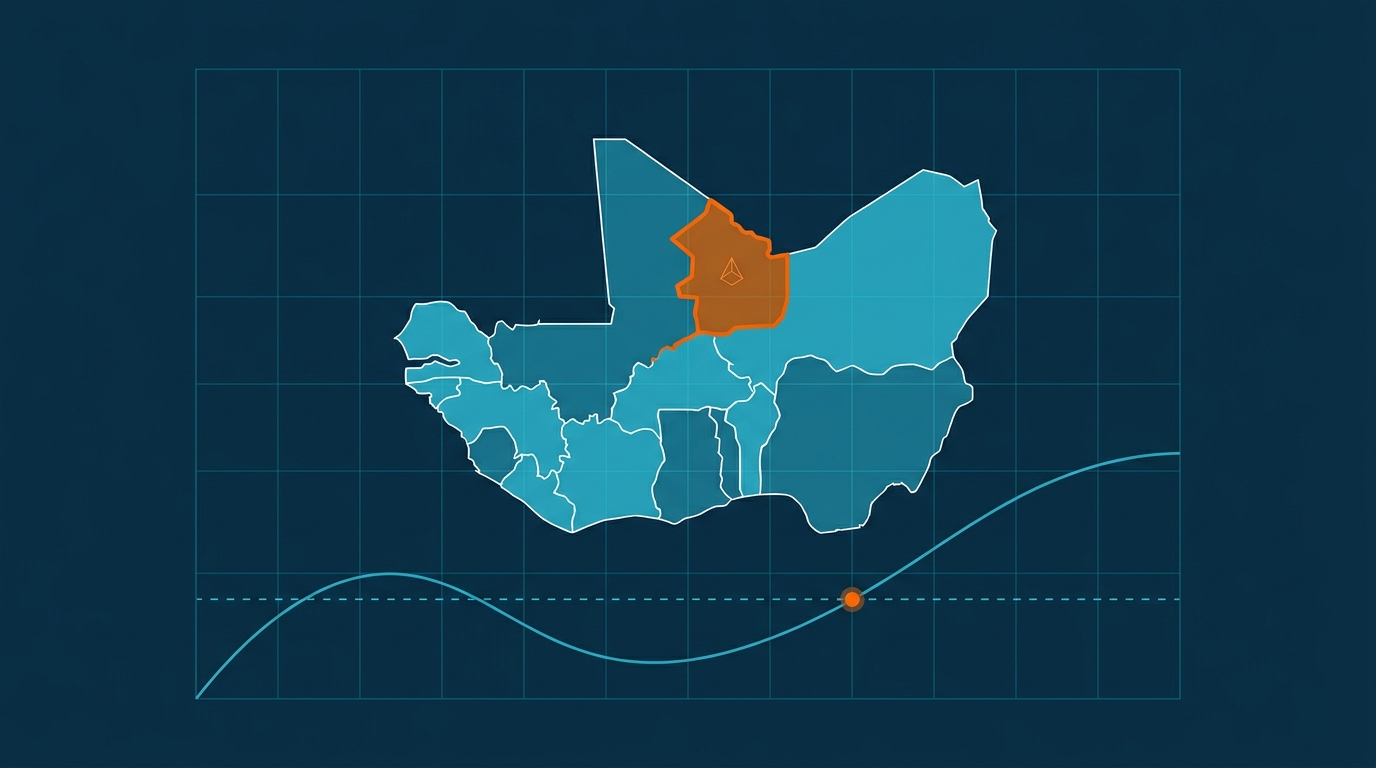
What it does
Product design and the technology behind it, in plain terms
An insurer, reinsurer or MFI evaluating Index Insure needs to know four things: what data it runs on, how a price gets set, how a policyholder gets registered, and who can see what once it is live. Each one below is a real, running system, not a proposal.
Two decades of Earth-observation history
NDVI, rainfall estimates, the SPEI drought index and soil moisture, held as continuous history from 2003 to 2025 rather than a one-off extract, and pulled through an automated pipeline that has already completed nine full runs against that record.
A live actuarial pricing workbench
Trigger and exit thresholds, franchise versus deductible structuring, and extreme-percentile and reinsurance capital-cost loadings, run against that same historical record. The next section shows exactly how.
Policyholder registration with real exposure modelling
Registration captures livestock-asset exposure in Tropical Livestock Units, not just a name and a phone number, so a payout calculation has something real to size itself against.
Role-based access with a full audit log
Admin, Data, Insurer and Viewer roles, with every action logged, so an insurer's own compliance team can see exactly what happened inside the platform and who did it.
Methodology
How a price gets set
Every Index Insure product rests on the same three pieces of method: where a payout begins, how the first loss in a season is structured, and how a season like this one has actually behaved in the past. The diagram traces one modelled season through both thresholds.
Trigger and exit
The trigger is the index level at which a payout process begins. The exit is the lower level at which the maximum payout applies. Between the two, the payout scales with how far the index has fallen.
Franchise versus deductible
Two different ways to structure the first loss once the trigger is crossed. A franchise structure pays the full amount from the trigger; a deductible structure pays only the portion beyond it. Which one a product uses is a design decision made with the insurer, not a fixed default.
Historical severity, priced from 2003
Payout severity is modelled against the same historical record the platform holds, with extreme-percentile and reinsurance capital-cost loadings layered on top, so a price reflects how often and how severely a season like this one has actually occurred, not a single year's forecast.
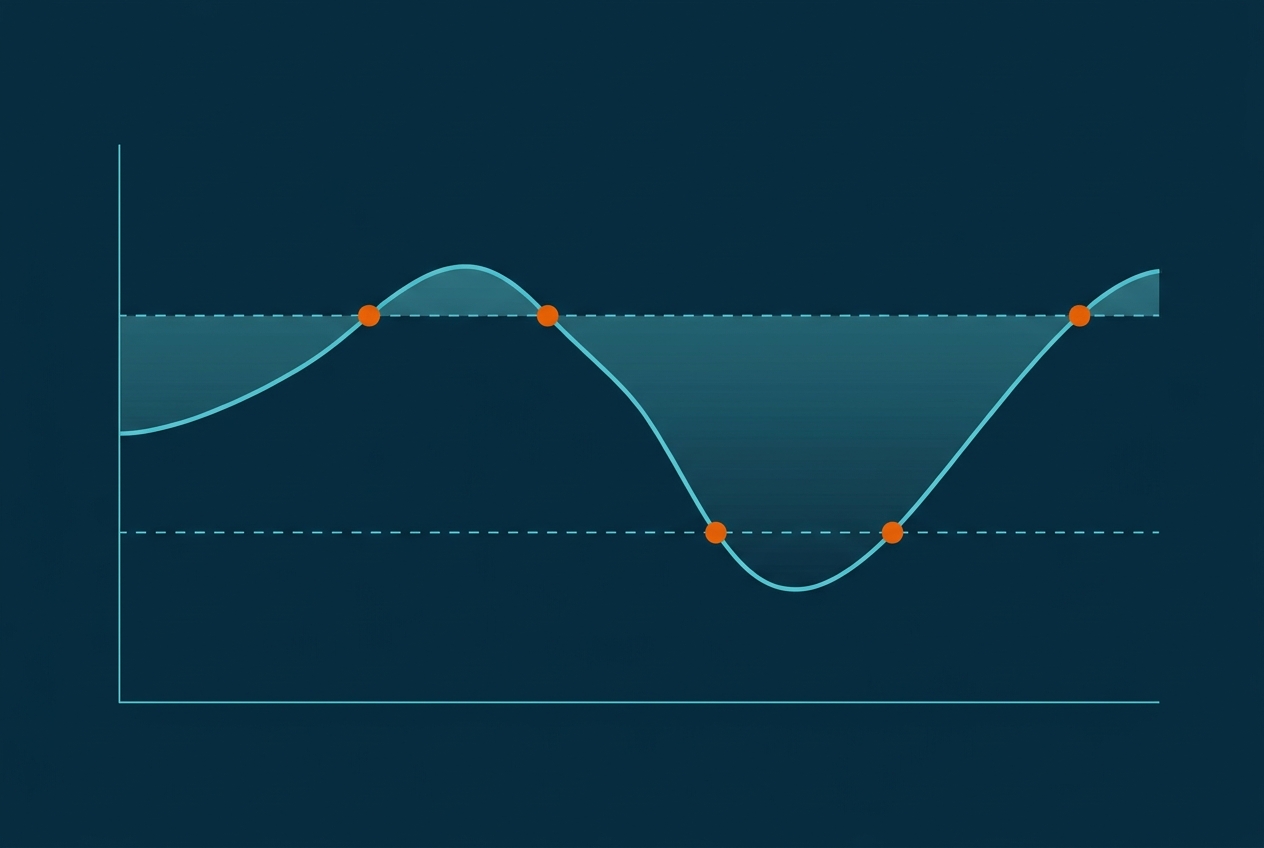
The same trigger and exit relationship, in the platform's own visual language.
Coverage today
Where the platform runs today
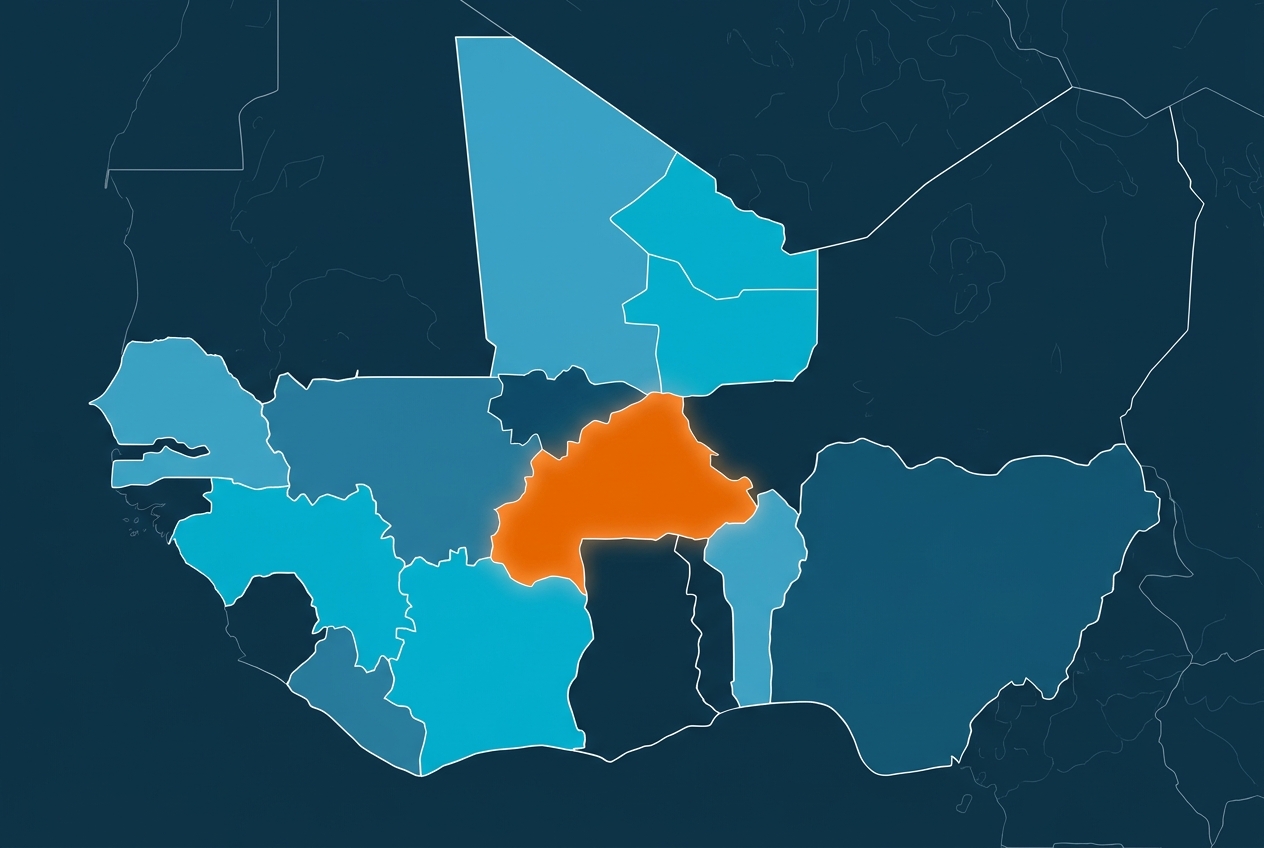
The registered Unit Areas of Insurance and the configured payout rails are both real, verified facts about the running system.
30
Unit Areas of Insurance registered
4
Nigerian states: Adamawa, Bauchi, Plateau, Sokoto
Integrations
Built to pay out where people already are
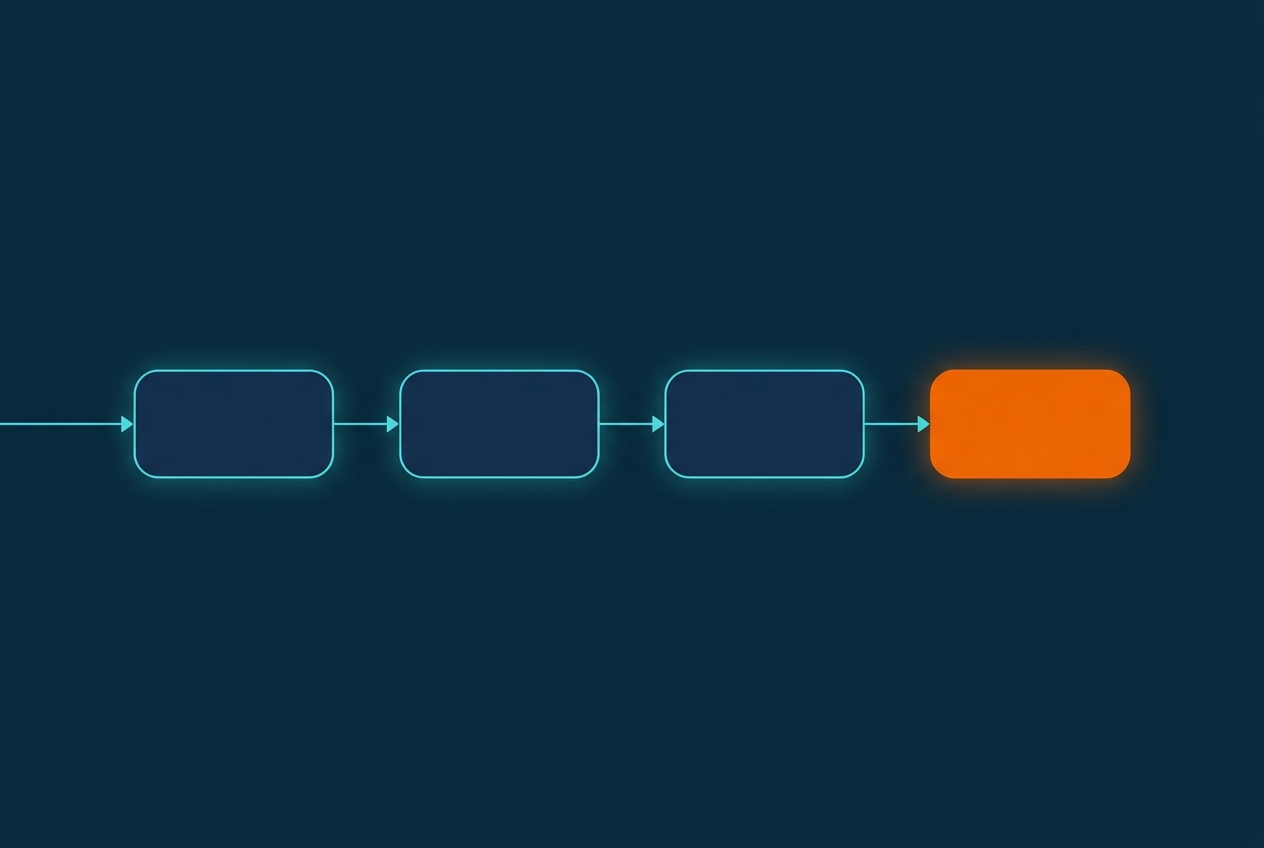
Once a payout is calculated, Index Insure is built to disburse it through the mobile money rail a policyholder already uses, with an automated SMS confirming the payout directly to them.
Index trigger
The index for a given Unit Area of Insurance falls through the agreed trigger level.
Calculation
The pricing engine calculates the payout that trigger has produced, against the agreed franchise or deductible structure.
Mobile disbursement
The platform is built to disburse the payout through the policyholder's own mobile money rail, with an automated SMS confirming it directly to them.
| Country | Mobile money rail |
|---|---|
| Kenya | M-Pesa |
| Nigeria | Airtel Money, OPay |
See it, before you commit to it
A platform walkthrough is the fastest way to evaluate Index Insure against your own product requirements. If you already know the platform, sign in directly.